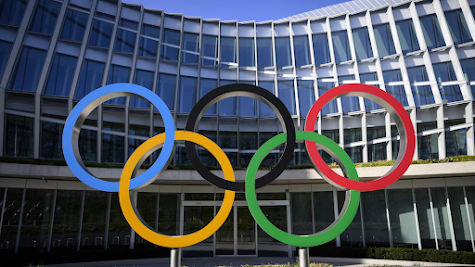
The International Olympic Committee and Saudi Arabia have officially ended their 12 year partnership to host the Olympic Esports Games, less than two years after it began. The decision marks a major shift in how global sports organizations are approaching the fast growing world of competitive gaming.
The partnership, announced in 2024, was meant to make Saudi Arabia the long term home of the Olympic Esports Games. It was part of a plan to bring together the prestige of the Olympics and the excitement of modern digital competition.
Both sides released a joint statement confirming the end of the agreement after a detailed review of their progress. The IOC said that the decision allows it to explore a new model for developing the Olympic Esports Games that better fits its values and long term goals. Saudi Arabia said it will continue building its own esports ecosystem as part of its Vision 2030 strategy, which focuses on economic diversification and global leadership in entertainment and sports.
A Shift in Global Sports and Gaming Strategy
This decision is more than just a business move. It reflects a growing awareness of the complexities involved in combining traditional sports governance with the fast moving, commercial world of esports. For the IOC, the original deal was seen as a way to connect with younger audiences who spend more time online than watching traditional sports.
For Saudi Arabia, esports has become a major national focus. The country has hosted record breaking gaming tournaments such as the Esports World Cup in Riyadh and has invested heavily in gaming companies and event infrastructure. These efforts are designed to make Saudi Arabia a central hub for global gaming and digital entertainment.
Despite these shared interests, there were differences in how each side wanted the project to run. The IOC has strict standards regarding inclusivity, fairness, and non violent competition. These principles sometimes conflict with the structure of commercial gaming, where popular titles often include competitive or combat themes. The Saudi approach, which involves strong government direction and private sector funding, may have created tensions around who controls key decisions.
Behind the Split
Ending the deal so soon came as a surprise to many observers. The IOC has been exploring ways to bring esports into its structure for years, hosting smaller events and test competitions. But blending gaming culture with Olympic ideals has always been challenging.
Reports suggest that internal discussions within the IOC raised concerns about governance and maintaining independence from external influence. Some members were uncomfortable with the level of control Saudi Arabia might have had over the content and operation of the esports events. The IOC prefers to maintain full authority over any competition using its name or symbols.
For Saudi Arabia, the decision may simply reflect a change in direction. The country is already hosting some of the largest and most ambitious esports events in the world, including tournaments with record prize pools and global player participation. Continuing to focus on its own projects may give it more flexibility and visibility than working within Olympic restrictions.
What Happens Next
The IOC will now start developing a new plan for the Olympic Esports Games. Officials have confirmed that they remain committed to creating a global event that showcases digital competition while staying true to Olympic values. The search for new partners and host locations is already underway.
Saudi Arabia will continue expanding its esports footprint through major tournaments and investments. The Esports World Cup, which already draws the best players and teams internationally, is expected to grow even larger in coming years. The kingdom’s broader goal remains the same: to become a world leader in both traditional and digital sports.
The Bigger Picture
This decision shows how the world of sports and entertainment is evolving. Partnerships that once seemed perfect on paper can quickly change when visions do not align. The IOC and Saudi Arabia both share an interest in esports, but their approaches to control, values, and presentation proved too different to sustain a long term collaboration.
For the IOC, the challenge ahead will be to build an esports event that attracts young audiences while respecting the traditions and principles of the Olympic movement. For Saudi Arabia, the goal is to keep leading the esports world on its own terms and continue building global influence through technology and gaming.
In the end, both sides are taking different paths toward the same destination: shaping the future of sports in a digital age where the line between physical and virtual competition is becoming ever thinner.
